

Artist Talks at IUS: Djamal Benmokhtar in Dialogue with Students of VA324 History of Graphic Design
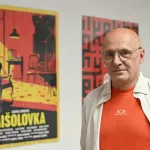
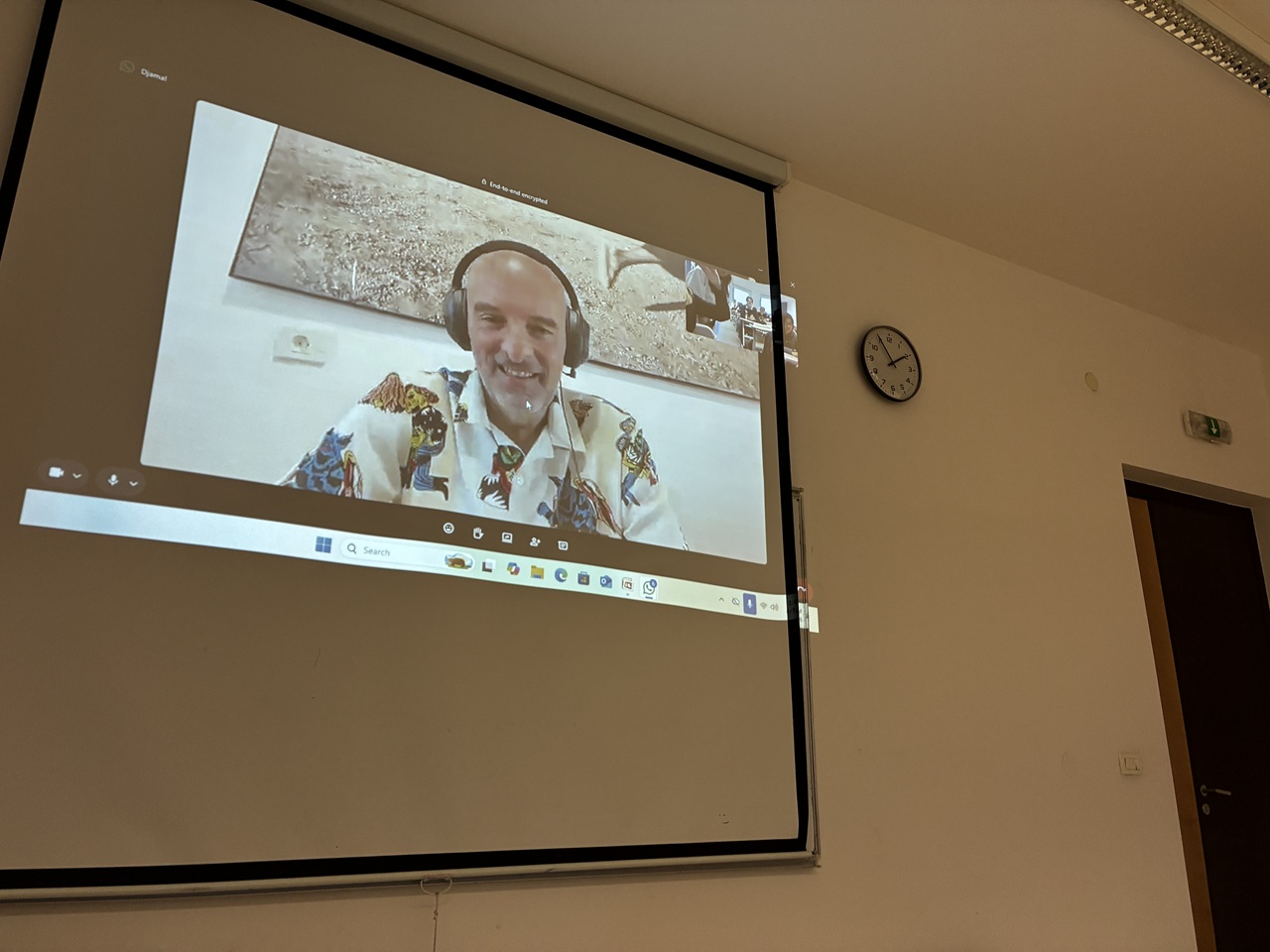
As part of its cultural and academic initiatives, the International University of Sarajevo (IUS) hosted an Artist Talks session with photographer Djamal Benmokhtar, whose work explores identity, displacement, memory, and belonging through intimate visual storytelling.
Born in Algeria and forced to leave the country with his family in 1973, Benmokhtar grew up between France and Algeria, developing a lasting awareness of displacement and the complexity of belonging. These experiences continue to shape his practice, which focuses on migration, rupture, and the lives that unfold between cultures and borders. Since 2021, he has documented the lives of African migrants arriving in the Canary Islands, creating long-term visual narratives grounded in time, trust, and human connection. As he reflects, photography is less about explaining and more about sharing experience and making visible lives that exist between worlds.
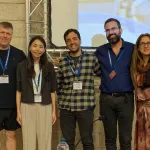
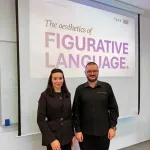
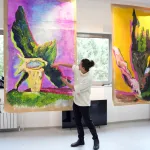
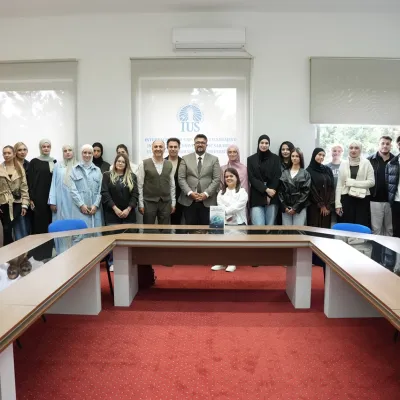
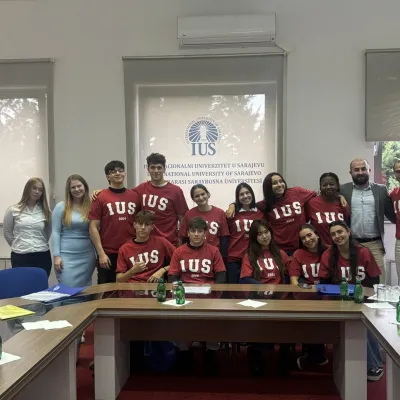
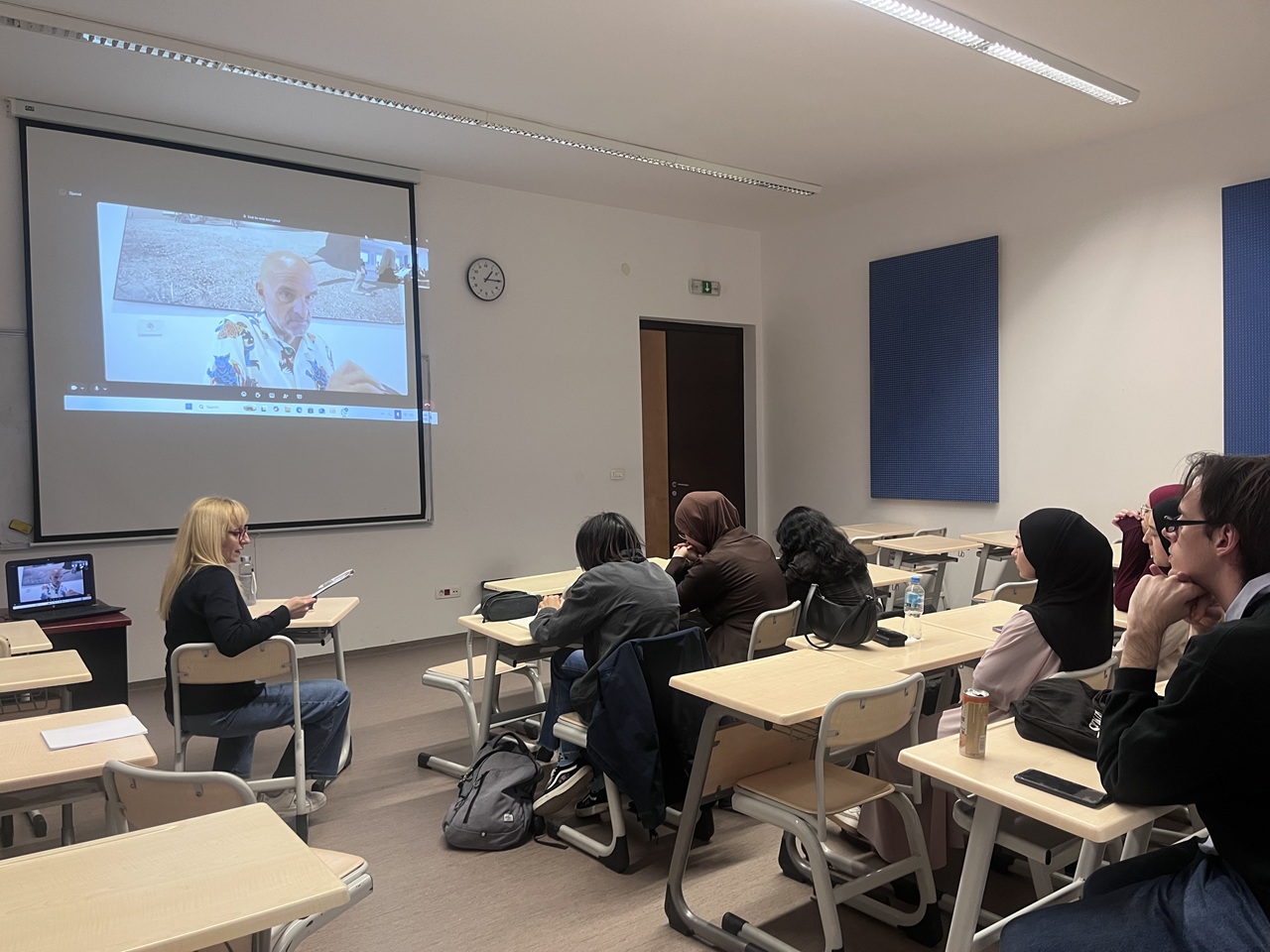
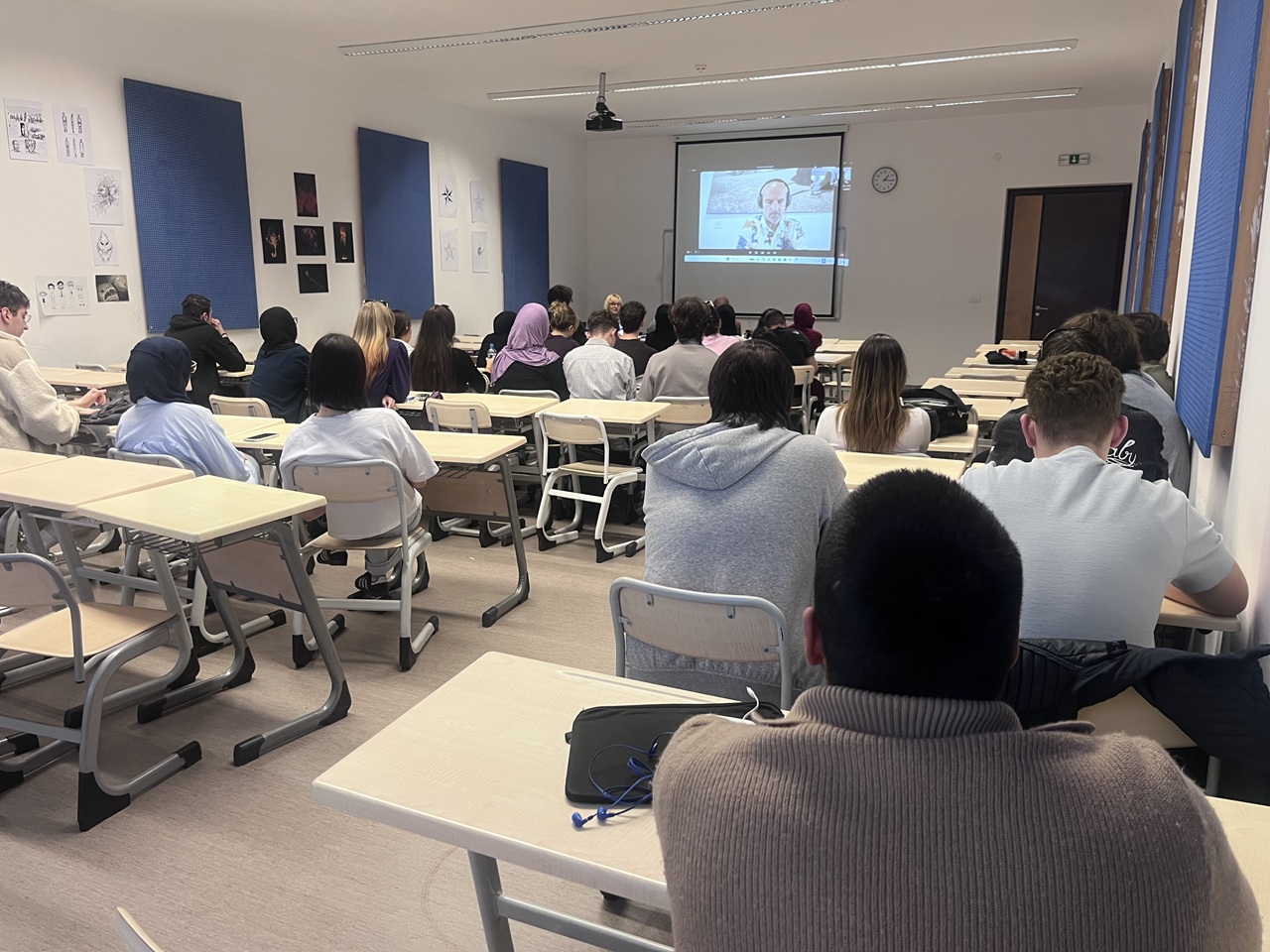
Following a prior visit to the exhibition Le Voyage, curated by Prof. Dr. Meliha Teparić and on display at the IUS Art Gallery from April 2 to April 15, 2026, the conversation took place on April 7, 2026, as part of the course VA324 History of Graphic Design, taught by Prof. Dr. Meliha Teparić.
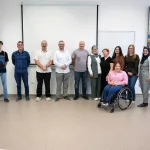
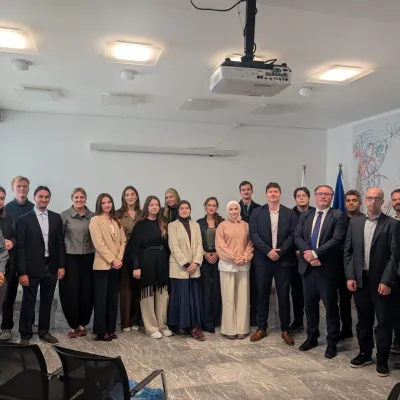
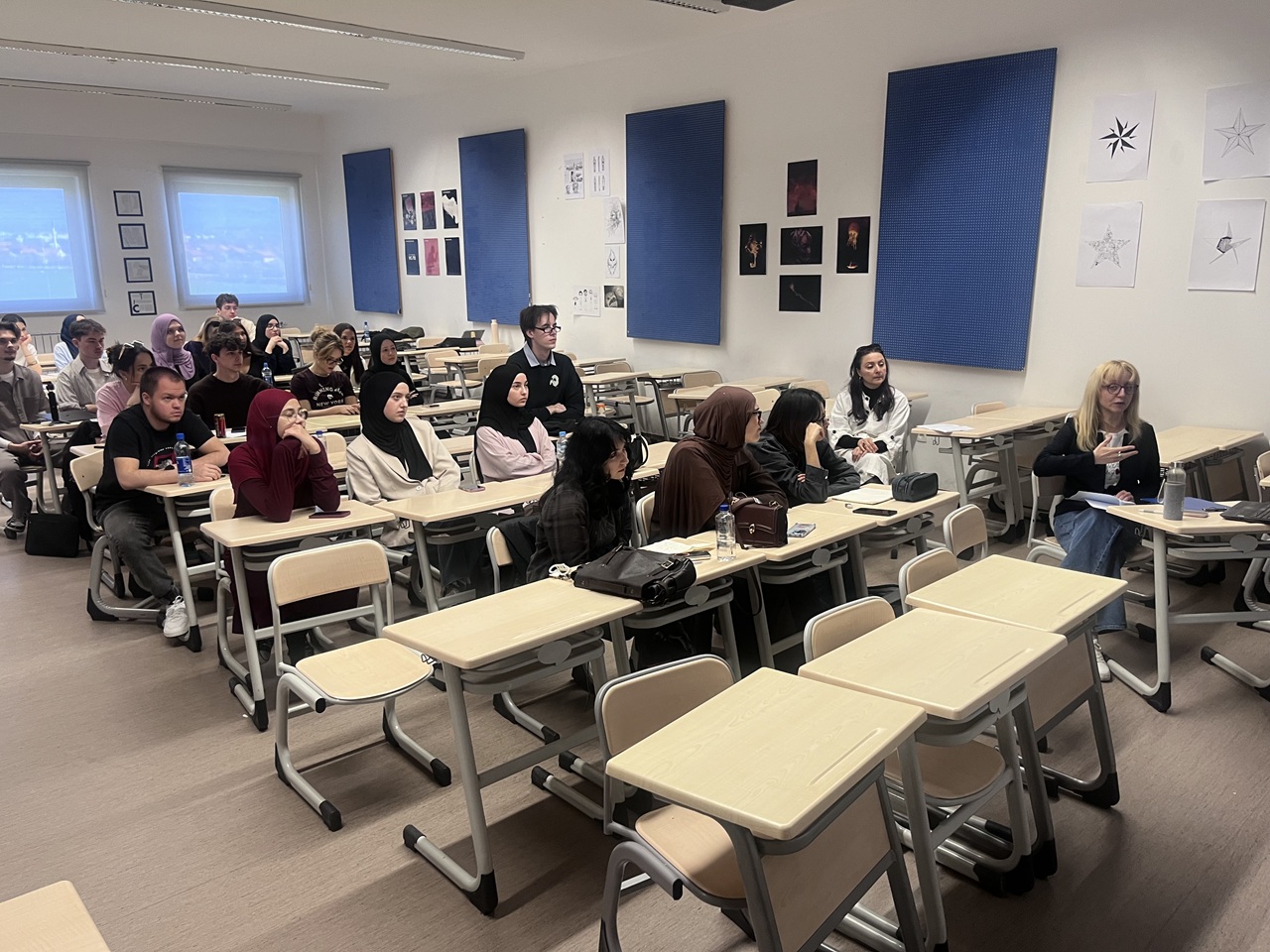
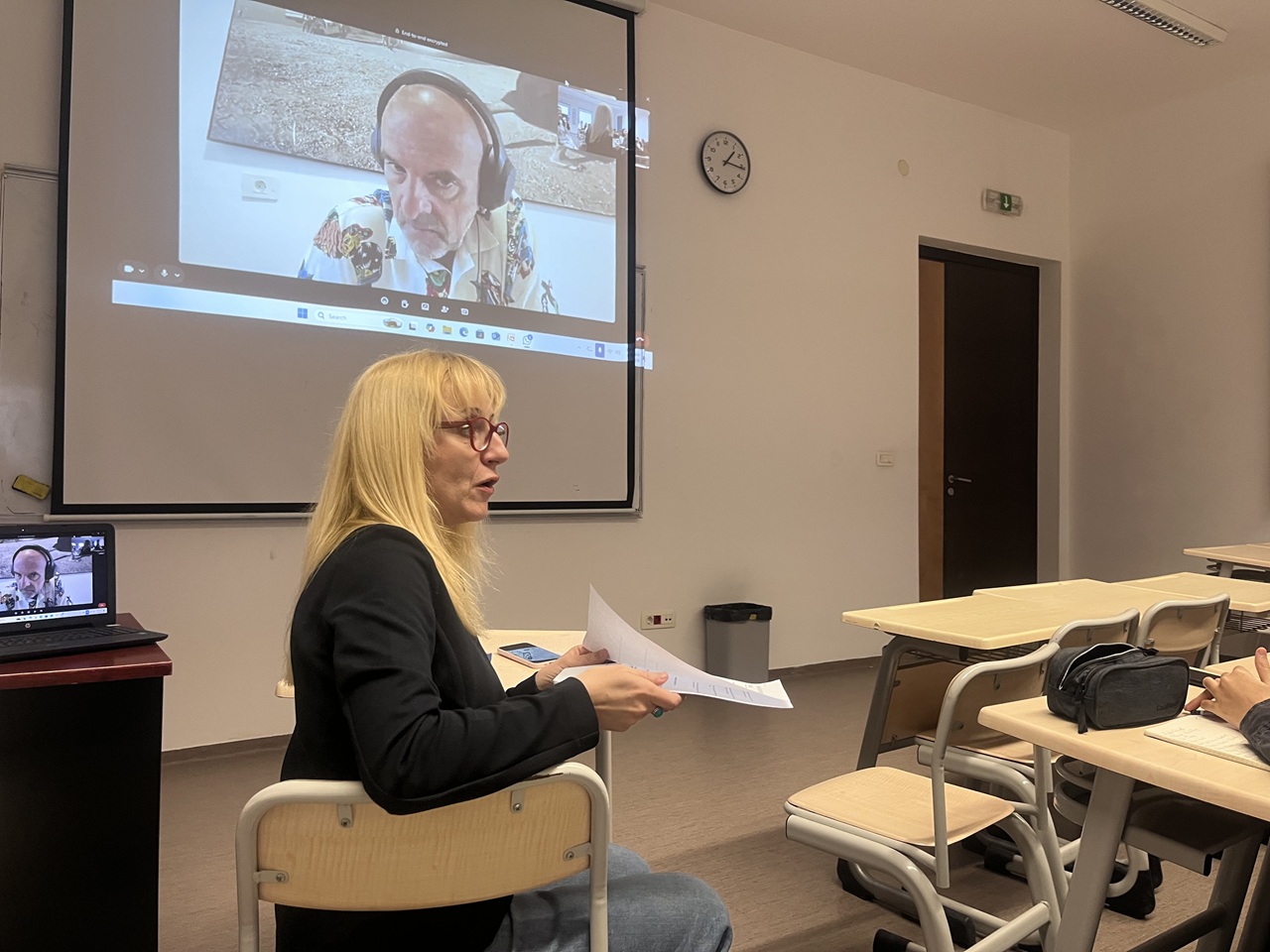
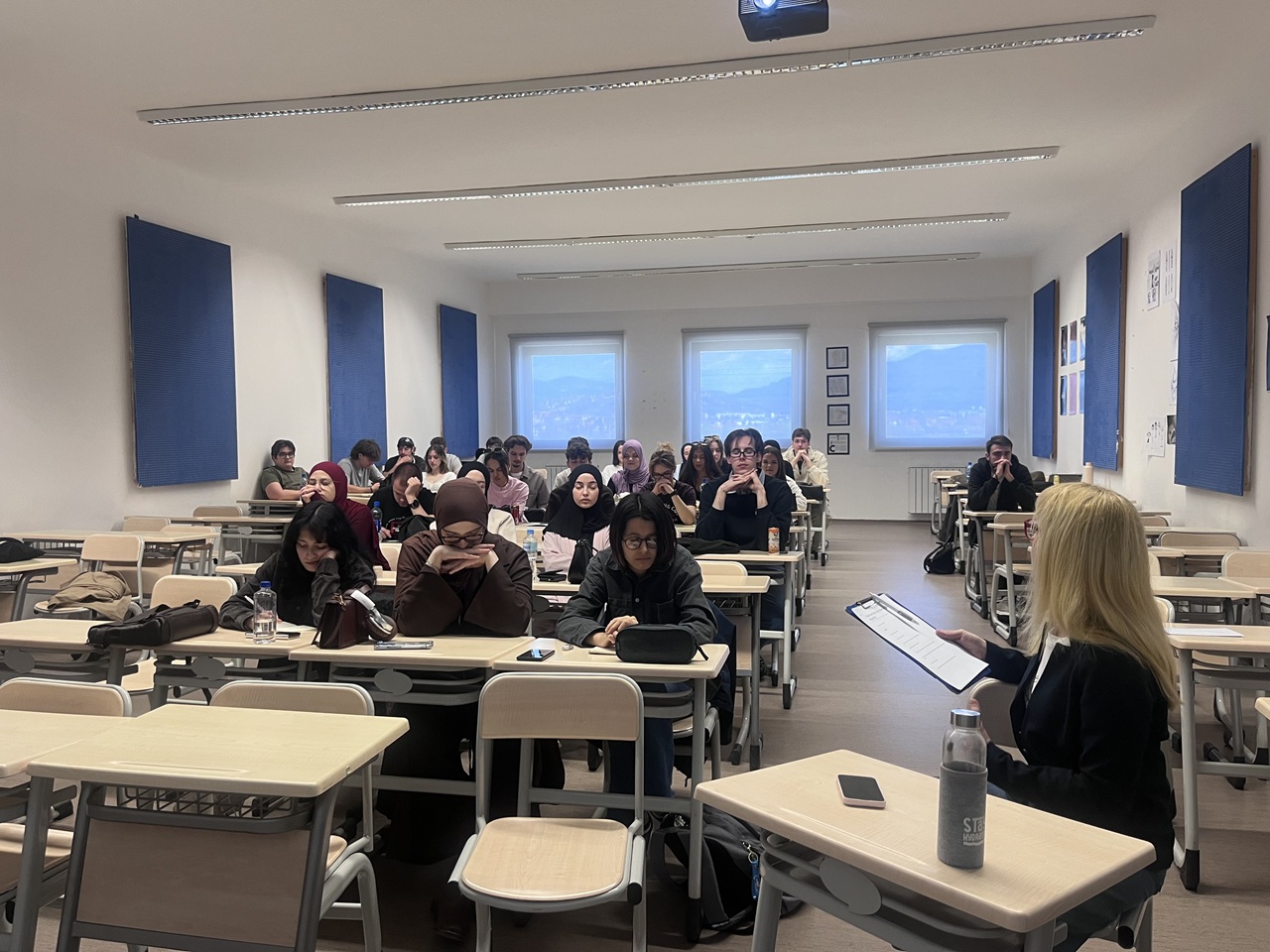
Held in a classroom setting, the session created a space for direct engagement with the artist and his work. The conversation was led by Asst. Prof. Dr. Nadira Puškar Mustafić from the English Language and Literature (ELIT) study program and a member of the Art Gallery Committee.
Opening and Conceptual Framework
The session was opened by Prof. Dr. Meliha Teparić, who welcomed the students and introduced the artist within the broader context of contemporary visual culture and documentary practices.
The conversation was conceptually framed and moderated by Asst. Prof. Dr. Nadira Puškar Mustafić, who approached the session through an interdisciplinary lens, connecting photography with narrative, memory, and lived experience.
At the outset, she introduced a reflective exercise, inviting students to close their eyes and imagine their own homes, recalling sensory details, emotions, and a sense of belonging. This moment of guided introspection positioned students not only as observers of the exhibition, but as participants within its central themes.
The discussion that followed was guided by a series of questions designed to move between personal reflection and critical engagement, encouraging students to consider how meaning is constructed both within the image and through the viewer’s own experience.
ARTIST TALKS – THE CONVERSATION
IDENTITY, DISPLACEMENT, AND THE IN-BETWEEN
Nadira Puškar Mustafić:
Do you see photography as a way of understanding your own identity, especially given your experience of living between cultures?
Djamal Benmokhtar:
Yes, absolutely. When you work on different series over the years, you begin to notice recurring themes, almost like an obsession. In my case, it is not a coincidence that I return to migration and displacement. I have lived that condition myself, the feeling of existing between two worlds.
Through the people I photograph, I reconnect with parts of my own experience. Some of those memories may have been buried, but they resurface through contact, through shared stories. In that sense, photography becomes a way of understanding myself more deeply.
Over time, I have also come to see this condition not as a weakness, but as a strength. Being shaped by different cultures has enriched my perspective.
Image, Story, and Interpretation
Nadira Puškar Mustafić:
Do you think knowing the background story of a photograph is necessary, or should the image stand on its own?
Djamal Benmokhtar:
Every photographer hopes that an image can stand on its own, that it can be understood beyond language and context. Sometimes that happens. A single photograph can carry a powerful emotion.
But often, one image is not enough. For me, a photograph is like a page from a book. It can be meaningful on its own, but to truly understand the story, you need the sequence, the context, and the time spent with the subject.
So yes, an image can stand alone, but if we want to go deeper, context becomes essential.
STUDENT QUESTIONS
Student:
There was a photograph of a man standing alone in a church that stayed with me. Could you tell us more about that moment?
Djamal Benmokhtar:
That image shows a young man named Abdoul Majoud. We were in a small village near Almería, where he works in very harsh conditions, often in extreme heat inside greenhouses.
One day, we passed by a church, and he told me he had never been inside one. He even thought he was not allowed to enter. I told him that, like a mosque, it is open to everyone.
When he went inside, what struck me was his curiosity. He stayed there for a long time, simply observing, trying to understand this unfamiliar space. For me, that moment was important because it goes beyond suffering. It shows curiosity, dignity, and openness.
In that moment, he was not defined by his origin or religion. He was simply a human being discovering something new. And that is something universal.
TECHNIQUE AND AESTHETIC CHOICES
Student:
Why do you choose to work in black and white rather than color?
Djamal Benmokhtar:
Black and white allows me to remove distraction. It simplifies the image and brings attention to what matters most: emotion, presence, and the relationship between light and shadow.
It creates a certain distance from reality, but at the same time, it brings the viewer closer to the emotional core of the image.
Nadira Puškar Mustafić:
How do you create such a natural sense of presence in your subjects?
Djamal Benmokhtar:
It comes with time. The more time you spend with people, the less you are perceived as “the photographer.” You become part of the environment.
Trust is essential. When people feel respected, they stop performing. They become themselves.
Nadira Puškar Mustafić:
Do you plan your photographs, or do you wait for moments to unfold?
Djamal Benmokhtar:
I never plan. Photography, for me, is about witnessing. It is about responding to what happens, not controlling it.
PHOTOGRAPHY AS WITNESSING
Nadira Puškar Mustafić:
Why did you choose photography as your medium?
Djamal Benmokhtar:
I did not really choose photography. It came to me. Over time, the camera became a constant presence in my life, almost like a companion.
Nadira Puškar Mustafić:
Do you see it more as a way of reflecting on your own experience or engaging with others?
Djamal Benmokhtar:
For me, it is primarily about others, about telling stories that are often invisible. My own experiences shape how I see the world, but what matters most is the human connection.
STUDENT ENGAGEMENT AND CLOSING REFLECTIONS
The discussion concluded with a broader reflection on the role of photography in contemporary society.
One student noted that documentary photography is especially important because it preserves memory and prevents stories from being forgotten.
Responding to this, Benmokhtar emphasized that documentary photography remains essential as a form of witnessing. While its impact may have changed in today’s media landscape, the responsibility to document and tell stories remains as important as ever.
The session ended with a shared understanding of photography as both an artistic and ethical practice, grounded in time, commitment, and human connection.